
Learn what to do if a child is exposed to domestic violence in Nigeria. Understand risks, legal options, and how to protect children.
Children Are Affected Even When They Are Not Directly Harmed
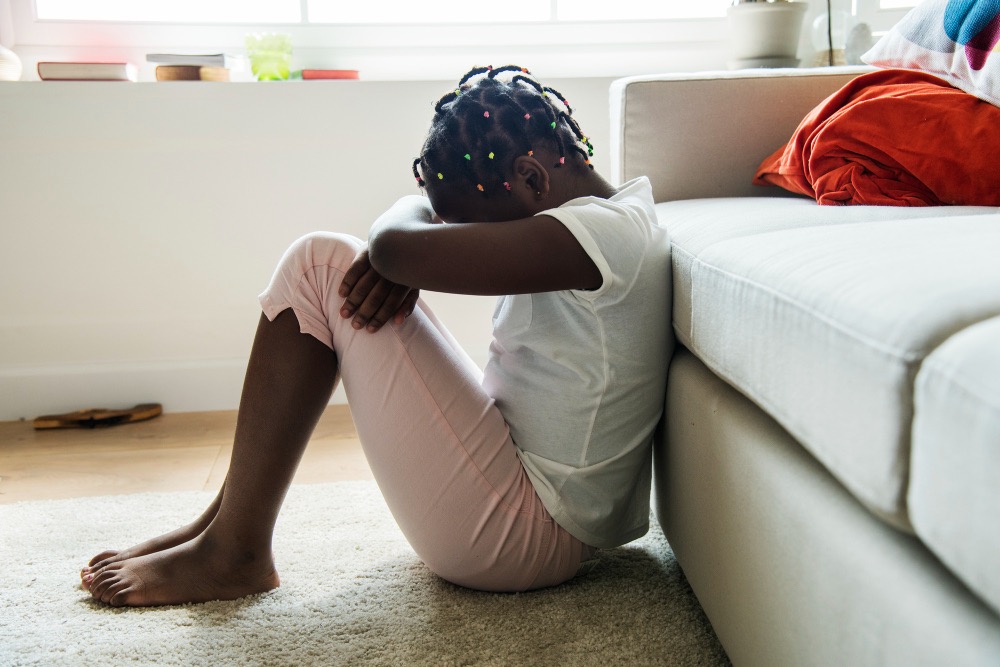
Children do not need to be physically abused to be deeply affected by violence at home. Exposure to domestic violence can shape a child’s emotional development, mental health, and long-term wellbeing.
Signs a Child May Be Affected
Children exposed to violence may show:
- Fear or anxiety
- Withdrawal or silence
- Aggression or behavioral changes
- Difficulty concentrating in school
- Sleep disturbances
These signs should never be ignored.
Immediate Steps to Take
1. Prioritize Safety
Remove the child from immediate danger if possible.
2. Create a Safety Plan
Identify safe people, safe places, and emergency contacts.
3. Limit Exposure to Violence
Where possible, reduce the child’s exposure to conflict or harmful environments.
4. Seek Professional Support
Children often need counseling to process trauma.
Legal Protections for Children
Under Nigerian law, children are entitled to protection from abuse, neglect, and harmful environments.
Where necessary:
- Authorities can intervene
- Custody arrangements may be reviewed
- Protective measures may be put in place
Why Early Intervention Matters
Children who grow up in violent homes are at higher risk of:
- Mental health challenges
- Poor academic outcomes
- Repeating cycles of violence
Early support changes outcomes significantly.
How Safe Haven Foundation Supports Families
- Safety planning for survivors and children
- Legal guidance on custody and protection
- Counseling referrals
- Shelter support where needed
Final Message
Protecting a child means acting early. Exposure to violence is harm. And it requires intervention.