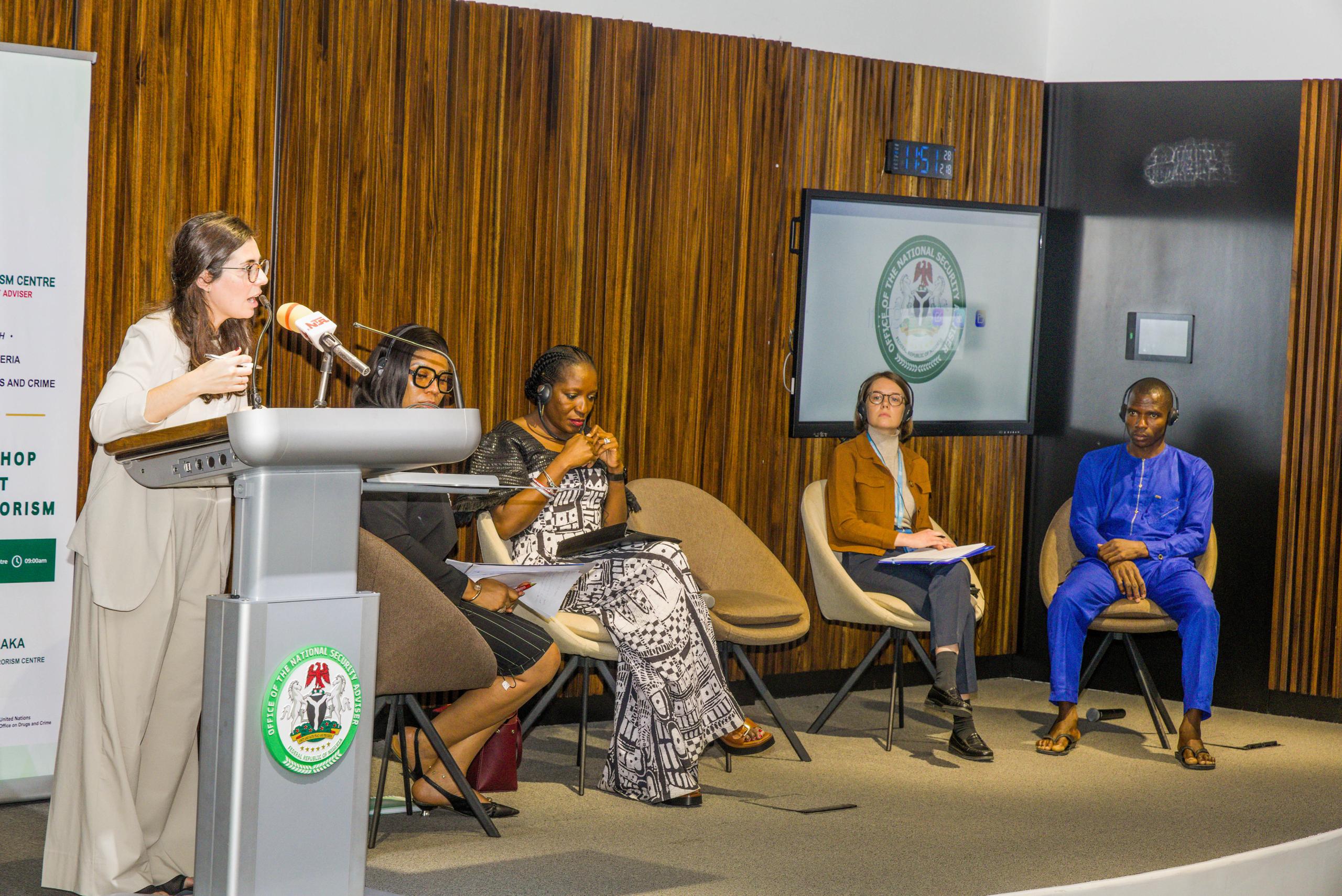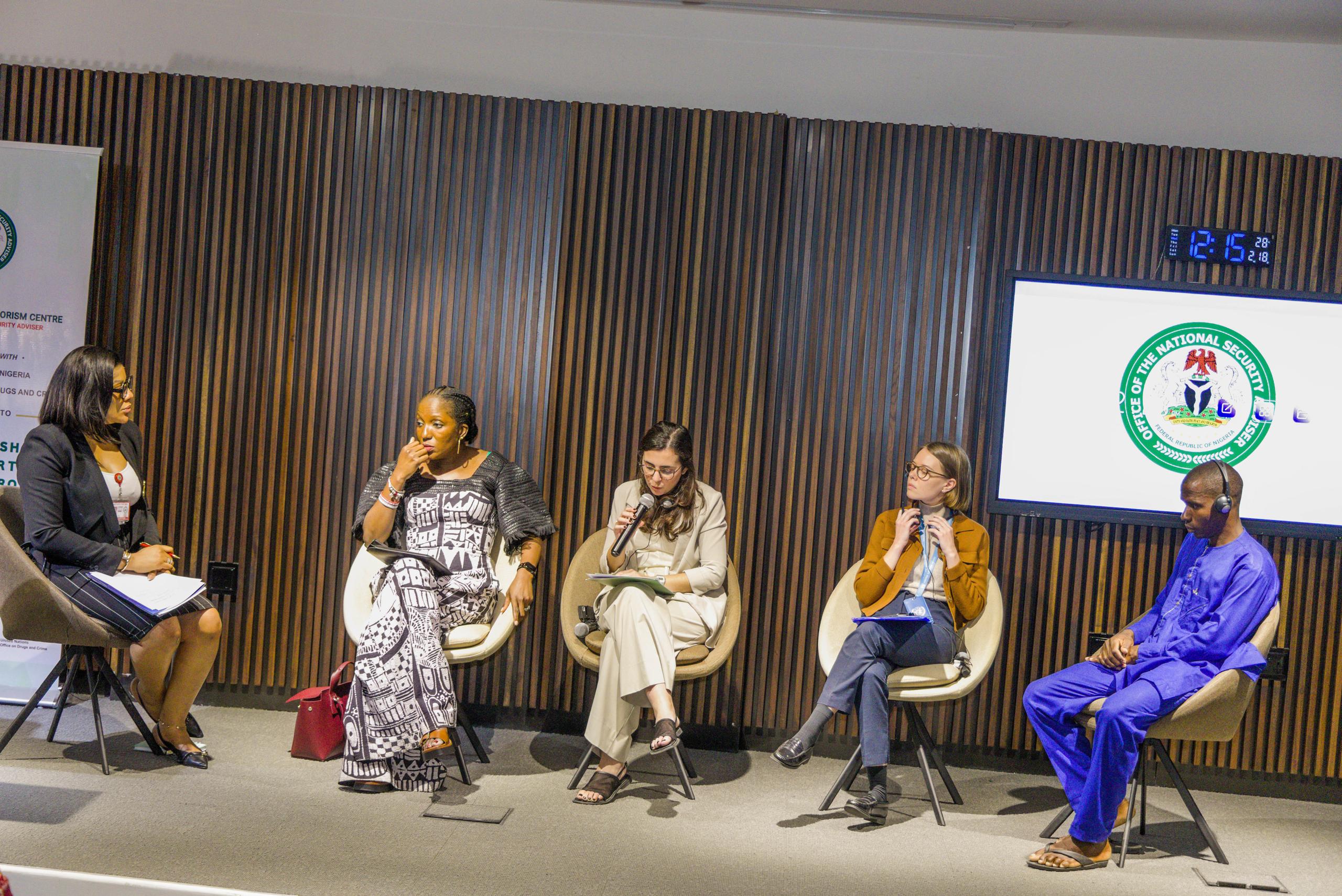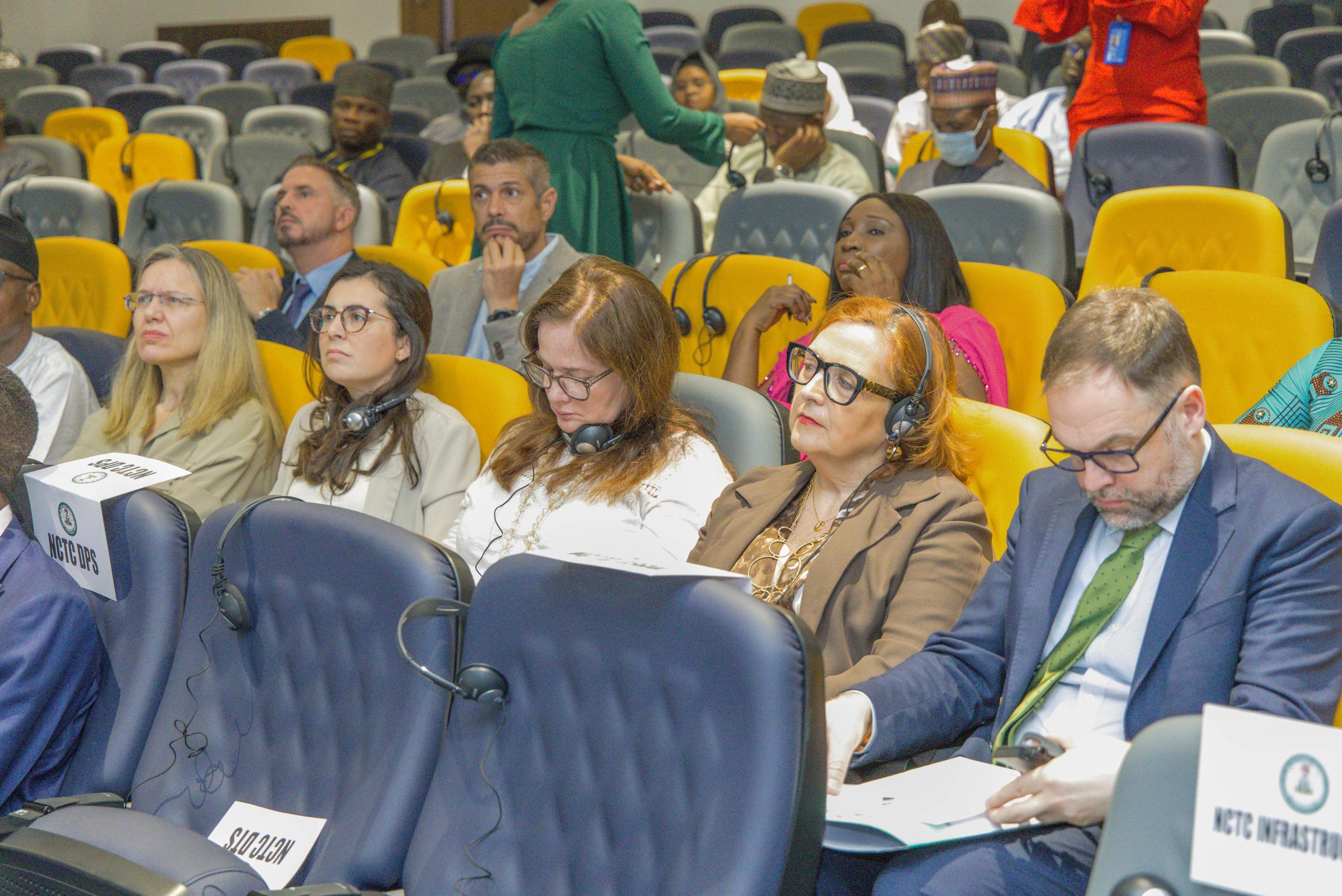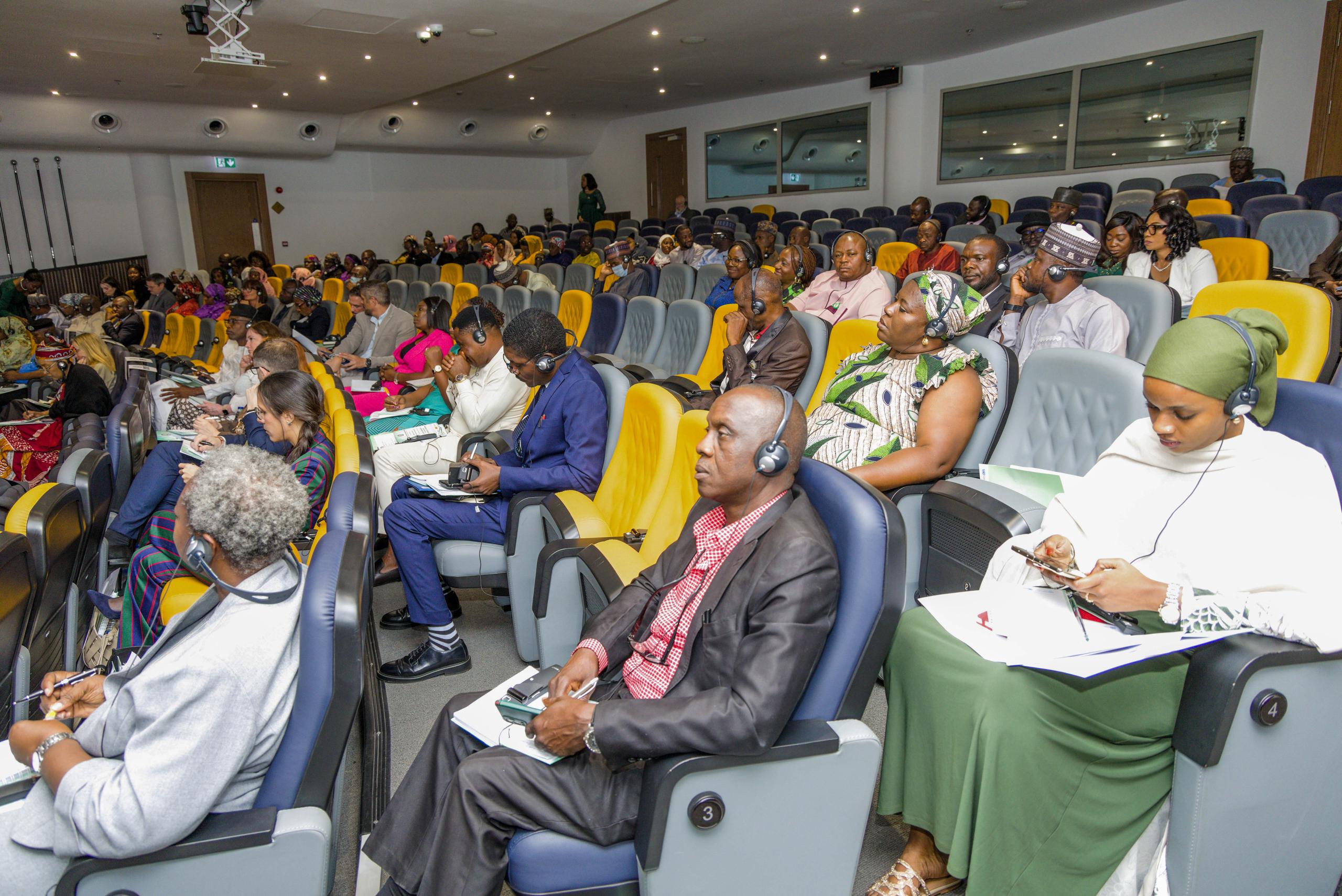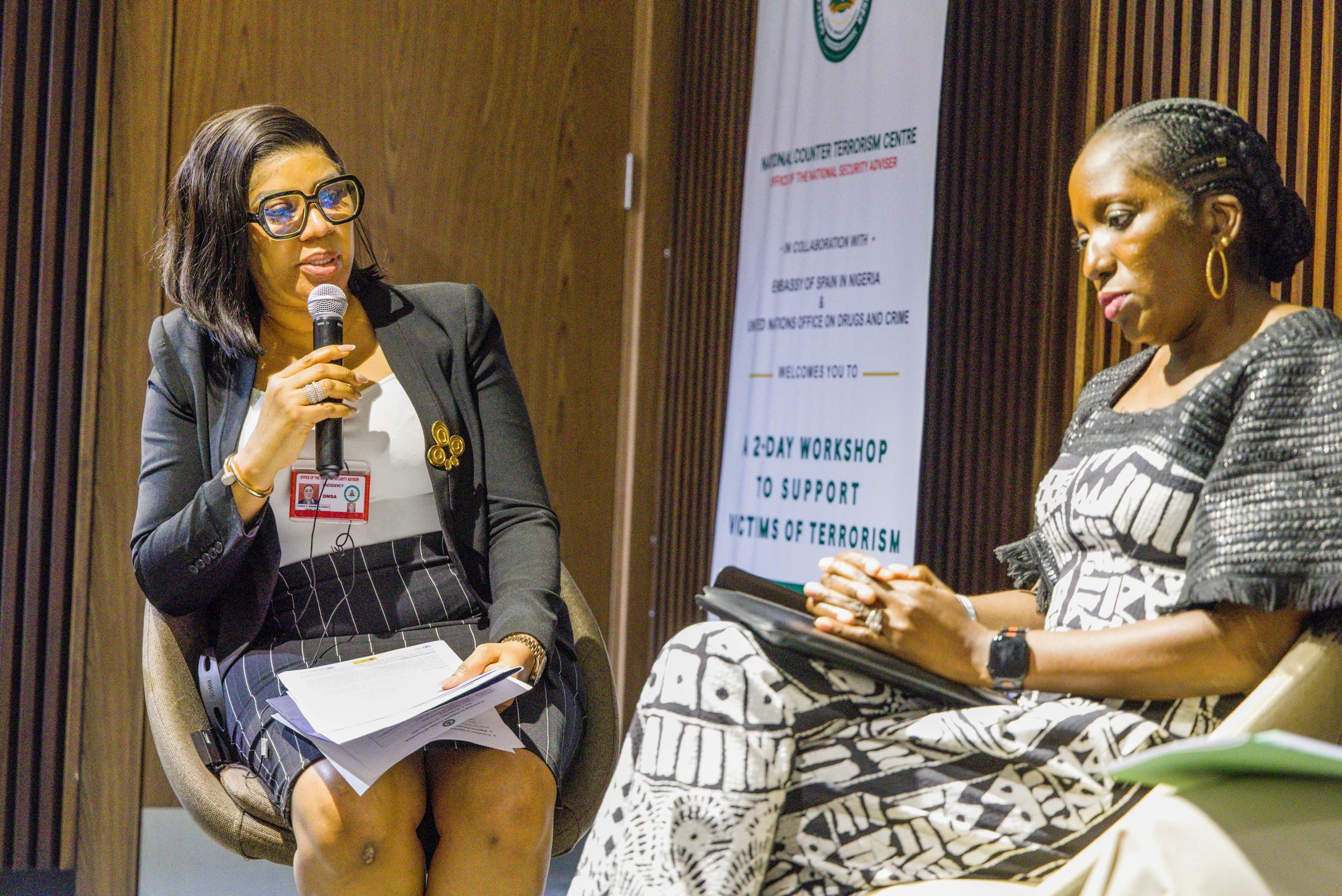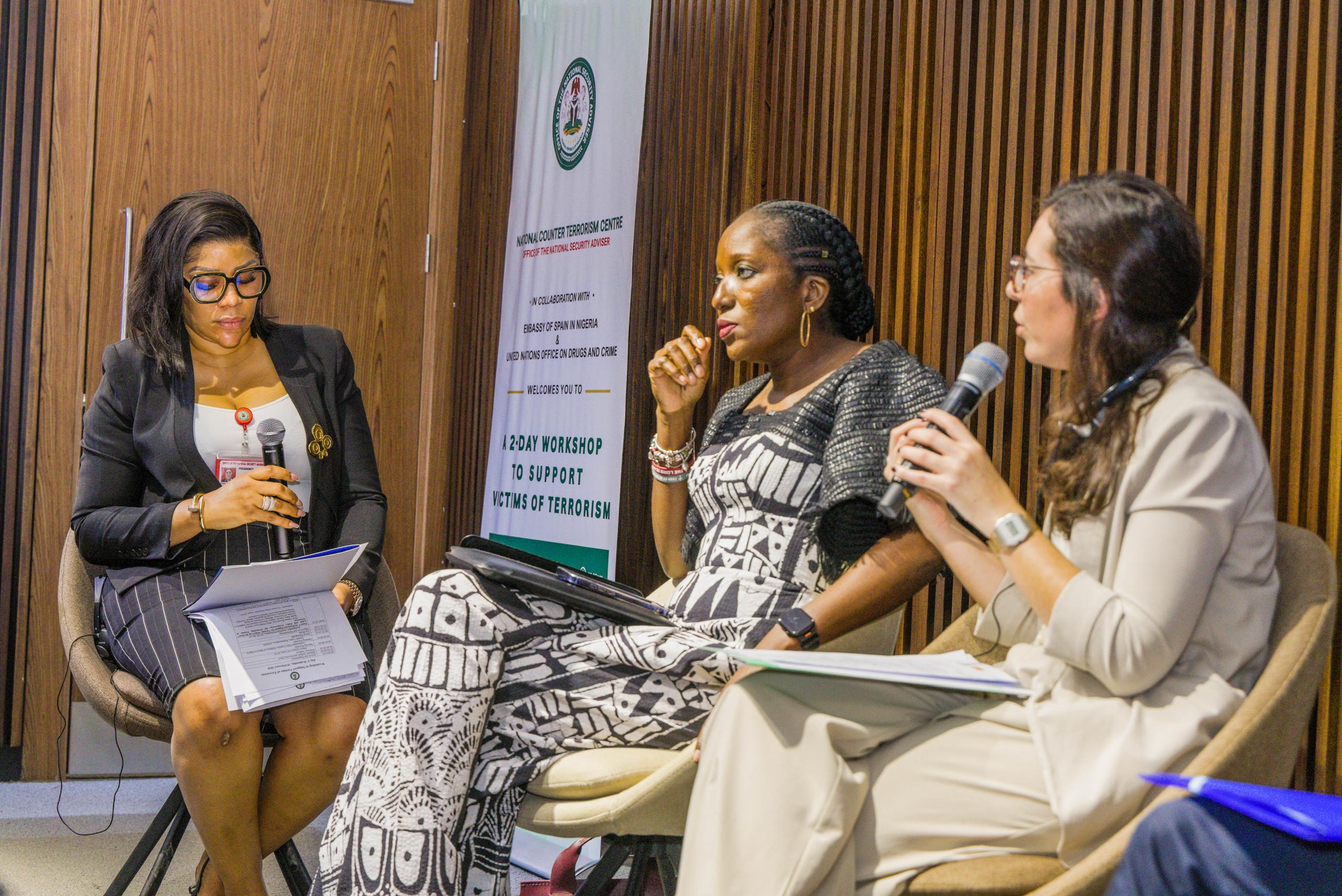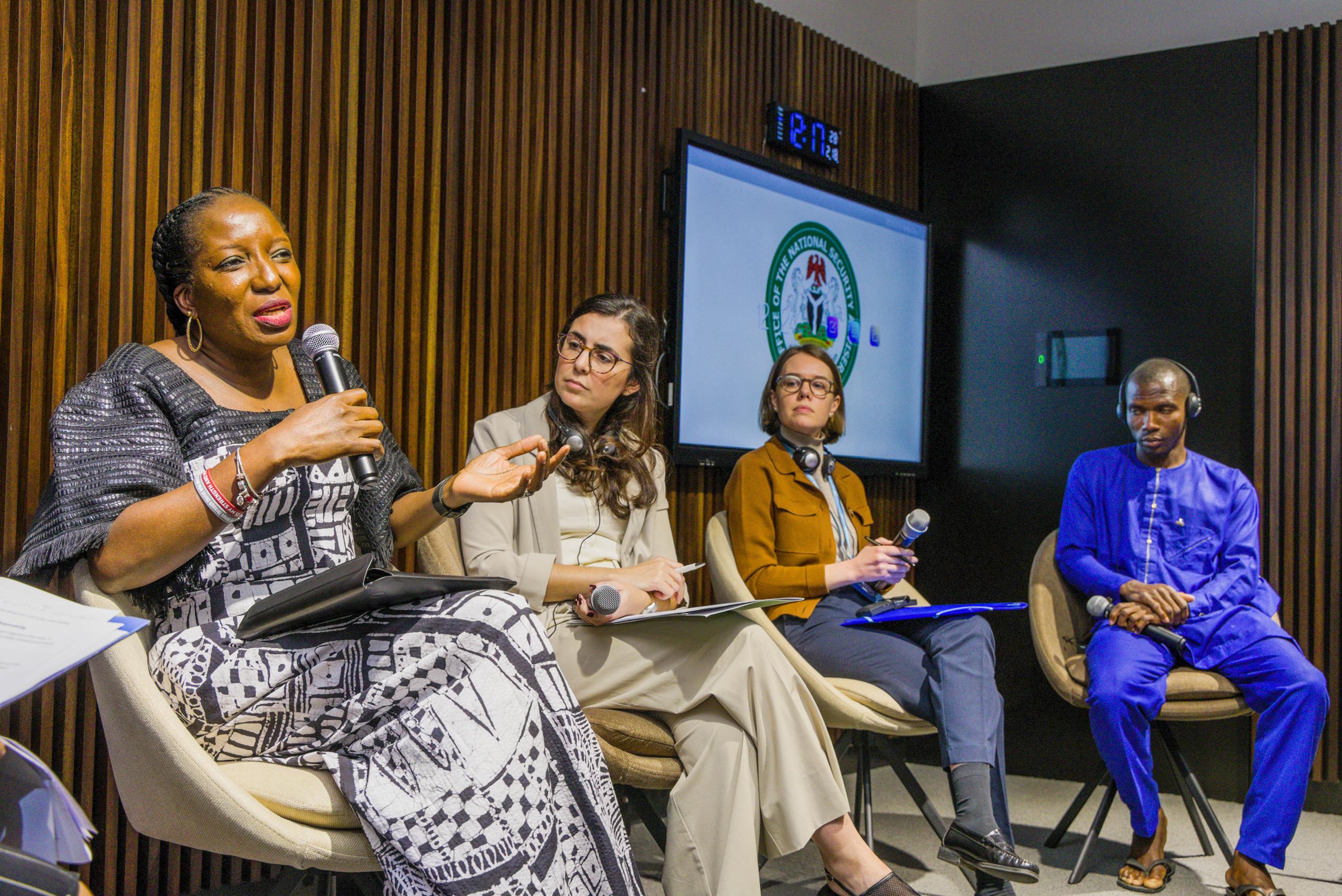
On the 18th of February 2026, Abuja hosted a significant policy dialogue that signals a shift in Nigeria’s counter terrorism landscape. The Workshop on Supporting Victims of Terrorism, convened by the National Counter Terrorism Centre in collaboration with the Spanish Embassy, focused on one central question. How do we move from sympathy for victims to structured, institutional protection?
Victims of terrorism are often visible in the immediate aftermath of attacks. They receive public sympathy, emergency relief, and media attention. What frequently fades is structured, long-term institutional support. With participants from across various sectors, including survivors, Civil Society Organisations, government agencies, development partners, researchers, and media actors, the dialogue reflected the multi-stakeholder approach required for sustainable reform.
The founder of Safe Haven Foundation and Professor of Public Law at the Nigerian Institute of Advanced Legal Studies (NIALS), had the privilege of speaking as the lead panelist of Panel 1, which examined institutional support for victims and what practical reforms are required in Nigeria.
Her intervention focused on three key messages:
- Support for victims of terrorism is not charity. It is a legal responsibility of the State that requires more than policy statements. It requires operational systems, budgetary allocation, coordination mechanisms, and measurable standards.
- Institutional responses to terrorism are often heavily front-loaded. Immediate relief is visible. Long-term rehabilitation is not.
- Nigeria’s terrorism context has disproportionately affected women and children. Any institutional response must therefore be trauma-informed, gender responsive, and child-sensitive. One of the most powerful aspects of the workshop was hearing directly from survivors of terrorism across Nigeria’s regions. Their testimonies reminded everyone in the room that institutional reform is not abstract. It is personal. Behind every policy gap is a human story. Behind every delayed intervention is prolonged trauma. If institutions fail to respond effectively, the harm does not end with the attack. It continues in silence.
The workshop is expected to produce practical recommendations, strengthen collaboration, and consolidate commitments toward victim focused counter terrorism programming. However, real impact will be measured not by communiqués, but by implementation.