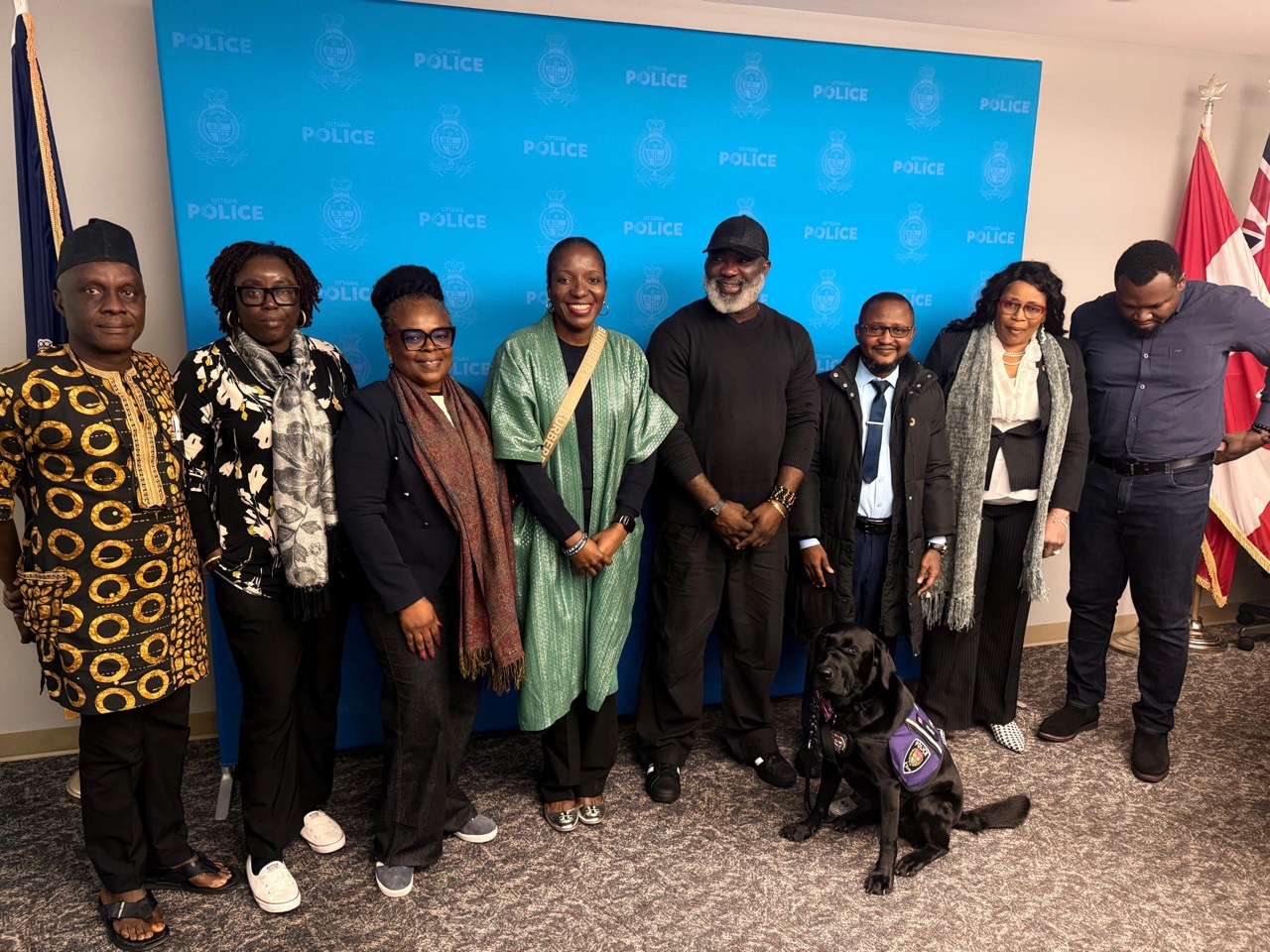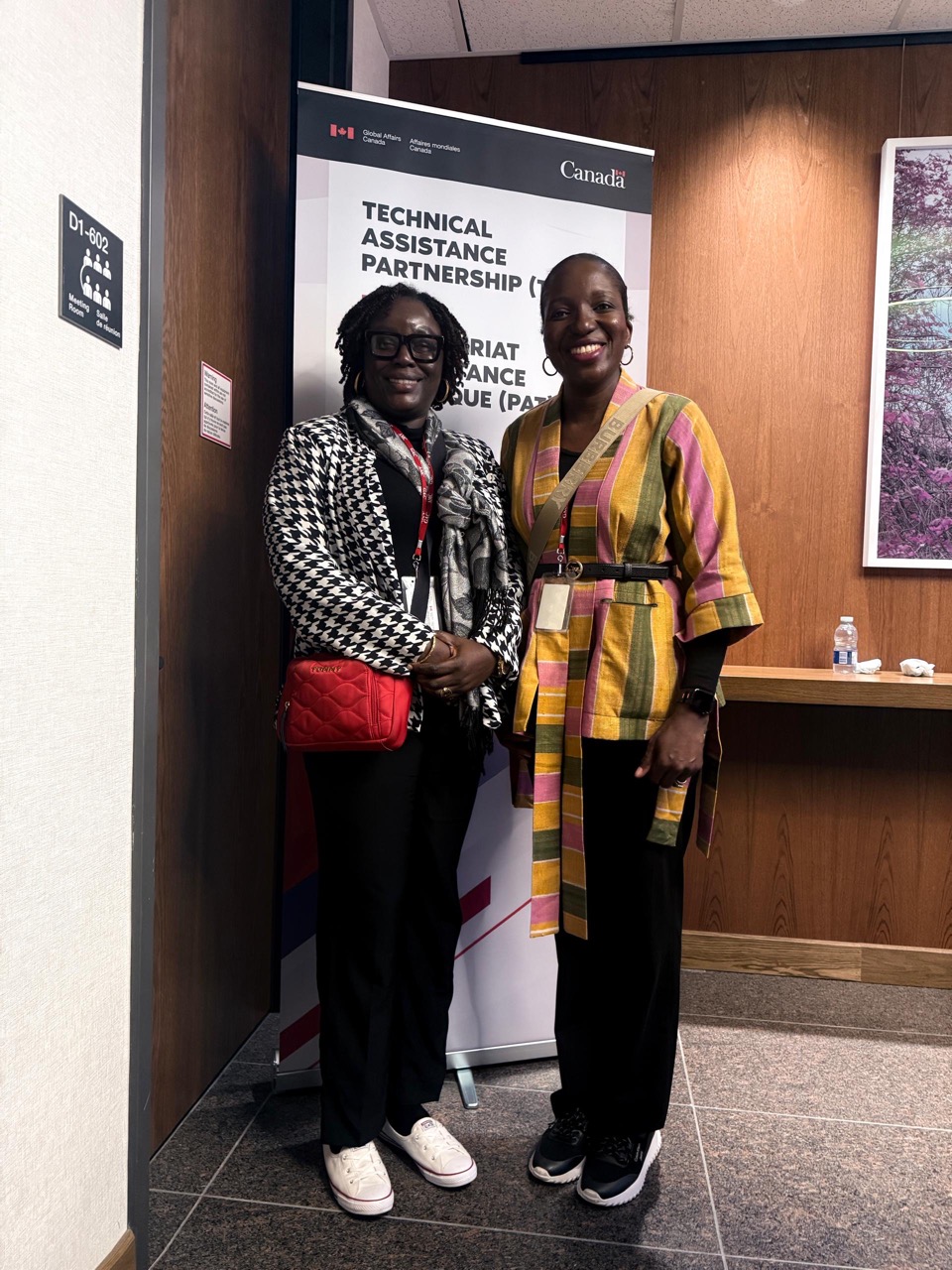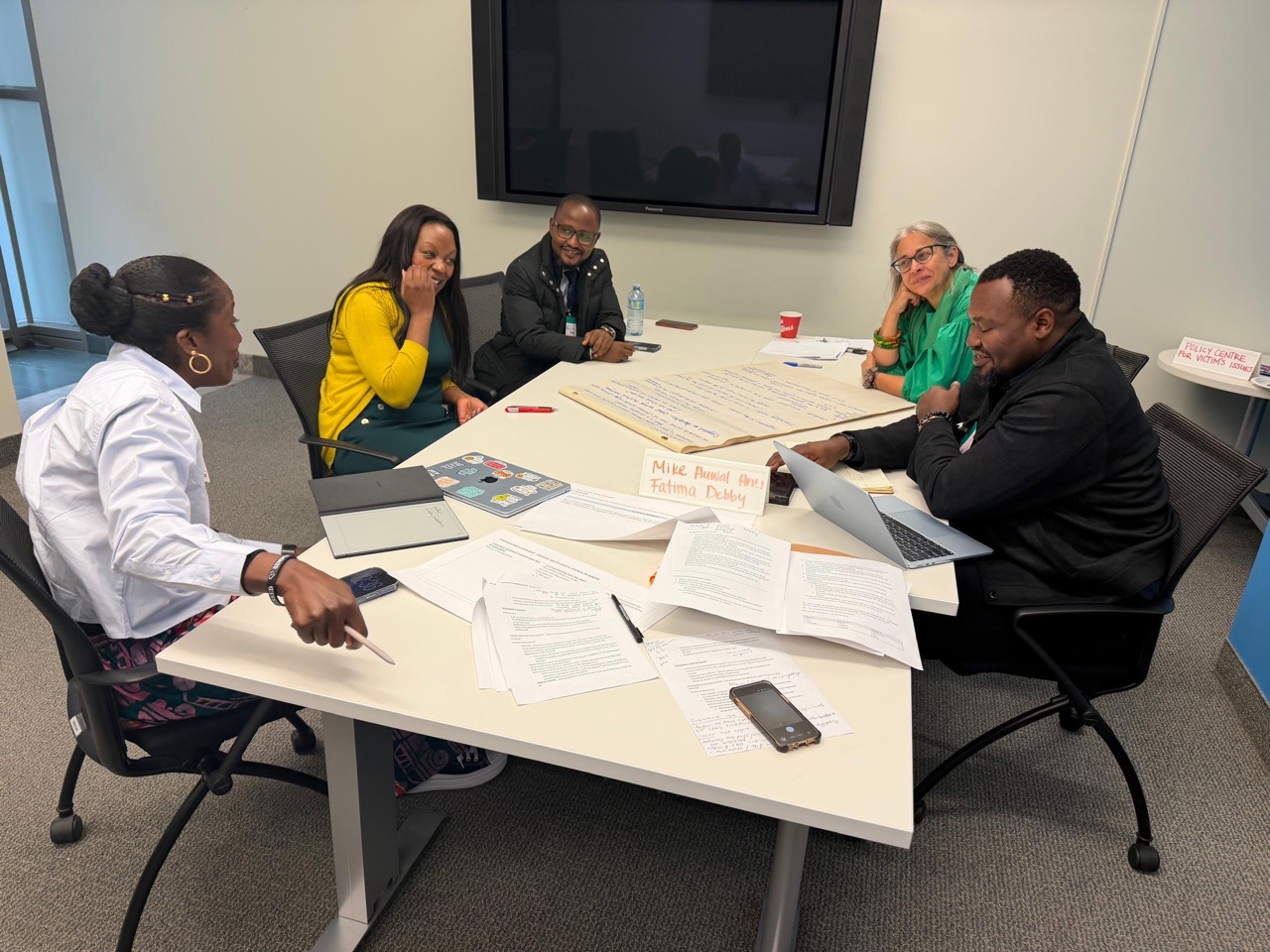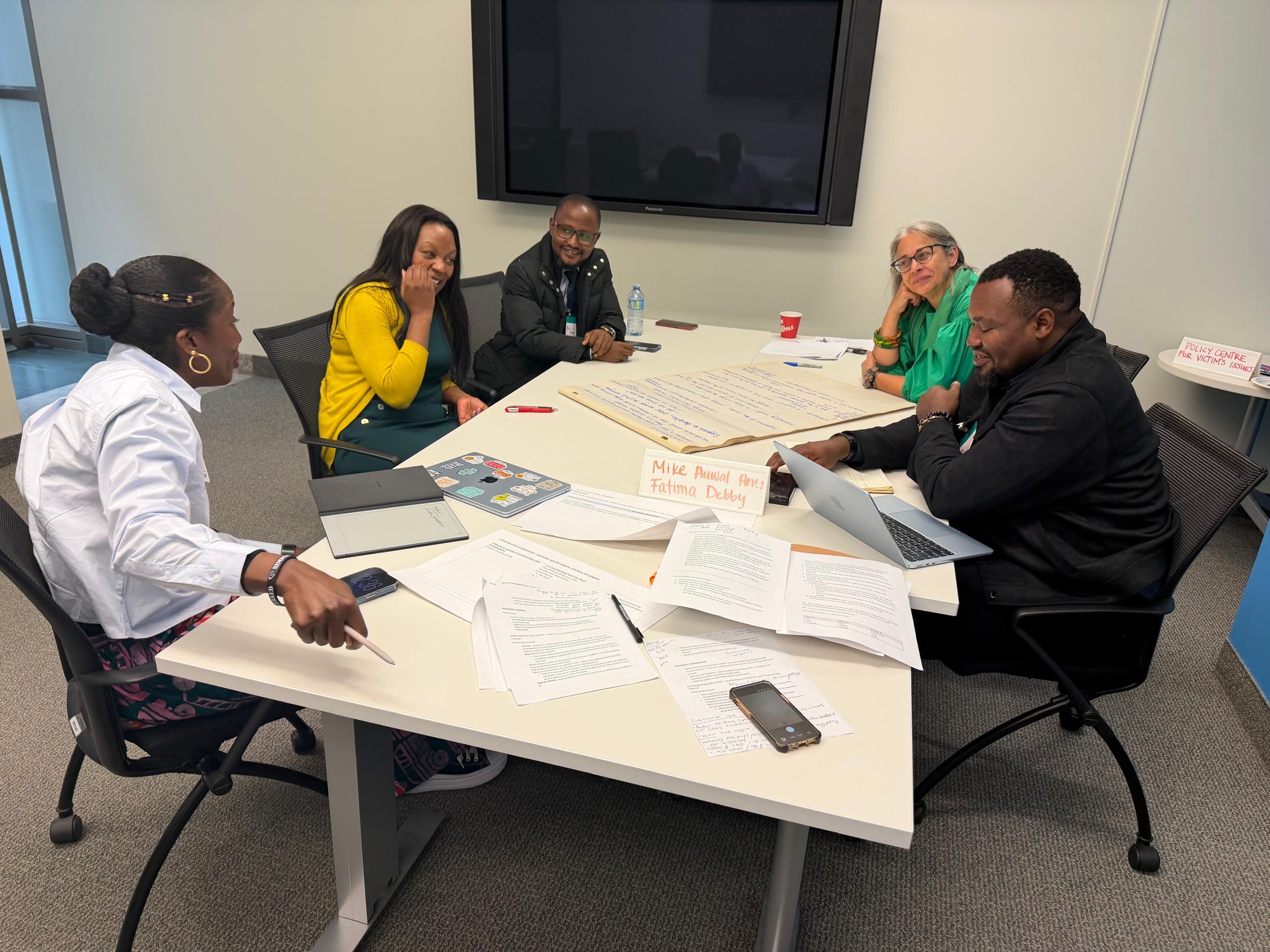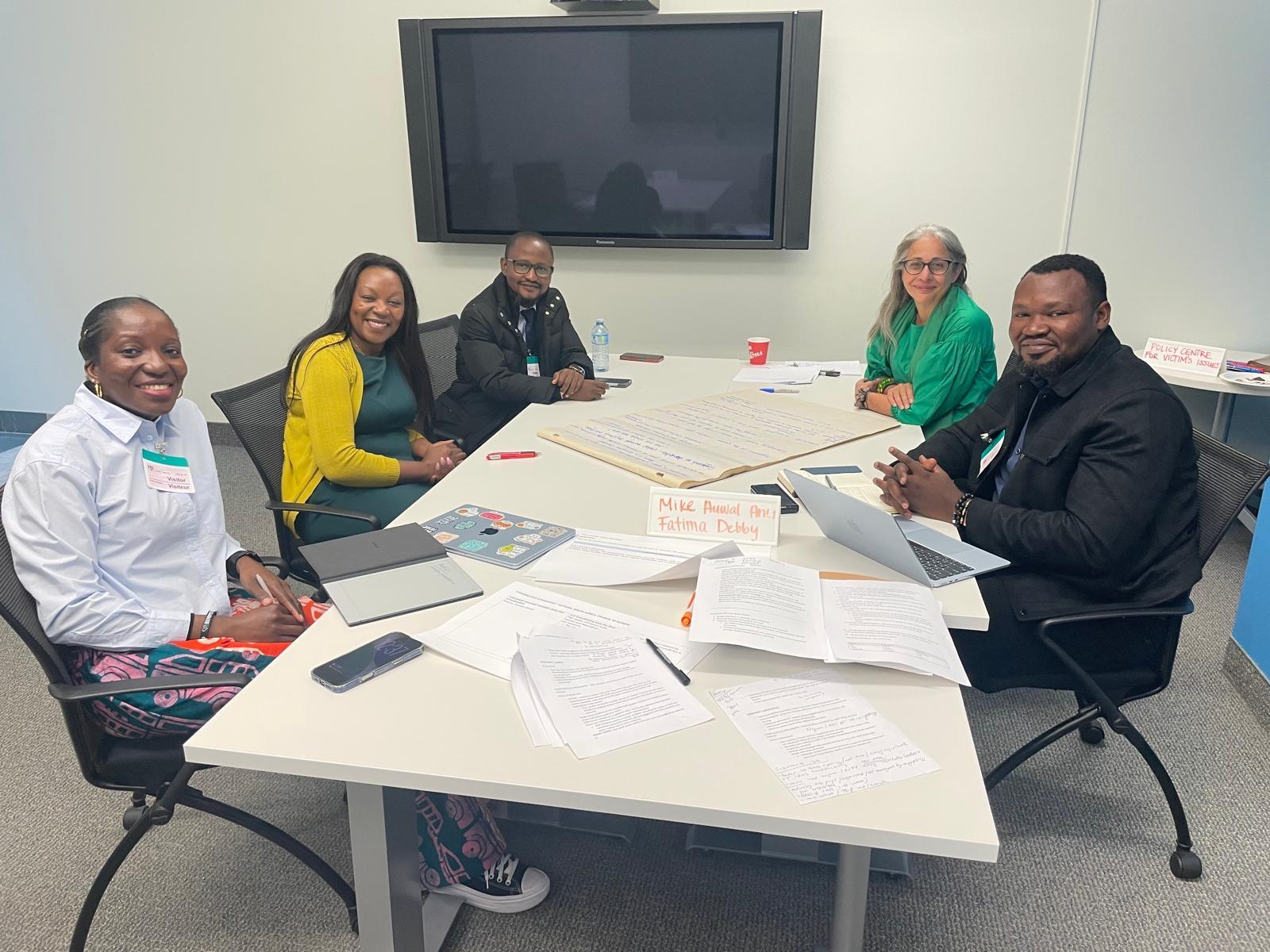

Professor Fatima Waziri-Azi, PhD, Founder and Team Lead of Safe Haven Foundation, participated in a study visit to Ottawa, Canada, from 27 September to 4 October 2026 under the Canada-Nigeria Justice Cooperation Project.
The visit brought together Nigerian government representatives, civil society practitioners, justice sector professionals and Canadian experts to exchange knowledge on preventing and responding to sexual and gender based violence. A central focus was strengthening Nigeria’s emerging national guidelines for shelters and Sexual Assault Referral Centres.
For Safe Haven Foundation, the visit offered an important opportunity to examine how policy, institutional coordination, professional standards and sustainable funding can improve the quality of services available to women and children experiencing violence.
Learning Across Institutions
The programme included presentations, workshops and institutional engagements with the Department of Justice, Women’s Shelters Canada, Sexual Assault Support Centre of Ottawa, Nelson House, Lanark County Interval House and Community Support, Open Doors Mental Health, Women and Gender Equality, the Ontario Ministry of the Attorney General, Ottawa Police Service, the Children’s Aid Society of Ottawa and other community-based service providers.
These engagements demonstrated that an effective response to violence requires more than the availability of emergency accommodation. It depends on a coordinated system in which shelters, health services, law enforcement agencies, child protection institutions, legal services and mental health professionals understand their respective responsibilities and work together in the interests of survivors.
Key Lessons from the Visit
1. Standards must be practical and measurable
National shelter standards should be more than statements of good intention. They must provide clear and measurable requirements that shelter operators can apply in their daily work. Effective standards should address governance, staffing, safety, accessibility, case management, confidentiality, child safeguarding, health care, psychosocial support, complaints procedures, reintegration and monitoring. Shelter operators also need concise implementation tools, including admission forms, risk assessment instruments, safety plans, referral protocols, incident reporting procedures and case closure guidelines.
2. Sustainable funding is essential to quality care
Shelters cannot provide reliable services when funding is uncertain or dependent entirely on short-term projects. Predictable funding enables organisations to retain trained staff, maintain safe facilities, provide essential services and support survivors beyond the immediate crisis period. National standards must therefore be accompanied by a realistic financing framework. Government funding, civil society partnerships and transparent accountability mechanisms are all necessary to ensure that minimum standards can be implemented consistently.
3. Harm reduction can strengthen shelter practice
The visit highlighted the value of a harm reduction approach when supporting survivors with complex needs, including mental health concerns, substance use, repeated returns to abusive relationships or reluctance to engage with the criminal justice system. Survivor safety remains paramount. However, safety should not be pursued by removing a survivor’s dignity, agency or right to make decisions. Shelters must create space for informed choice while continuing to assess risk, provide accurate information and offer practical support.
4. Children require a coordinated response
Women frequently arrive at shelters with children who have witnessed or directly experienced violence. These children may require immediate mental health support, safeguarding interventions, educational assistance and continued care. Shelters, child protection authorities and mental health providers must have clear procedures for referrals, consent, confidentiality and information sharing. Support for children should not be treated as an optional addition to services for their mothers. It is a core component of a comprehensive response to domestic and sexual violence.
Adapting, Not Copying
Canada’s experience offers valuable models, but these models cannot simply be transferred to Nigeria without adaptation. Effective reform must reflect Nigeria’s laws, institutional capacity, funding realities, cultural context, and the lived experiences of survivors. The central lesson from the visit is clear: quality survivor support requires clear standards, reliable funding, skilled personnel, institutional coordination, and meaningful accountability. Safe Haven Foundation remains committed to translating these lessons into practical policies, stronger partnerships, and better services for women and children affected by domestic and sexual violence in Nigeria.
The study visit has ended, but the more important work of applying its lessons has begun.